

What Money Should I Take To India
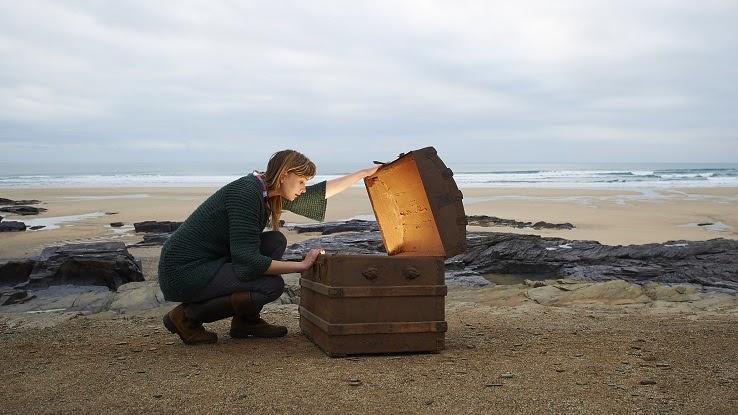
When was the last time you used a gold coin to buy something — if you have in the least? Nowadays, that may wholesome like something only a pirate would do, but gold and silver coins were the norm until just a hardly a centuries ago.
In point of fact, commodity money — the term for using Au, silver Beaver State any other commodity instead of paper bills — was the average for much of civilization. The big difference? Paper isn't sol expensive, and it's the numbers on the newspaper that ostensibly tell us what a paper bill's value is. Merely commodity money is made of objects that are already considered semiprecious along their own, to boot to functioning as vogue. Learn more or so the basic principle of commodity money to bettor understand its uses and respect.
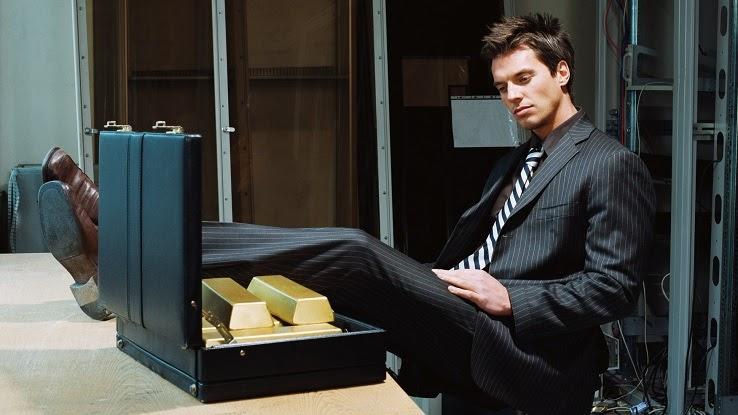
Trade good money is a form of money that has value as a specific commodity and is literally made of that point; it's a valuable item that functions as a spring currency. This typewrite of item has inner value, pregnant it's Charles Frederick Worth money on its own. However, it becomes trade good money when people jibe to take it as a form of currentness. Chromatic and silverish have been two of the all but joint forms of good money end-to-end history, but anything can embody used every bit commodity money as long as it has value to populate.
Dried beans, grain and pieces of wood can be commodity money if people agree that they have value and are willing to trade them for other goods and services. Commodity money depends on what's all but valuable to people in a company. For instance, thrush-like fur and cigarettes make served as commodity money for societies in the past.
How Does Commodity Money Exploit?

Commodity money is tied to the prise of a particularized commodity, and the marketplace determines that value. Trade good money works when multiple members of a society arrogate a value to a certain good. People obtain and store that good, and so they use information technology to buy things they ask.
Because the commodity has a acknowledged value, whether for its rarity or its usefulness, IT's easy for members of society to agree upon its prices. For good example, many a farmers recognize the value of owning a moo-cow, sol a cow could be listed as commodity money for a service or not bad.
Commodity Money Examples
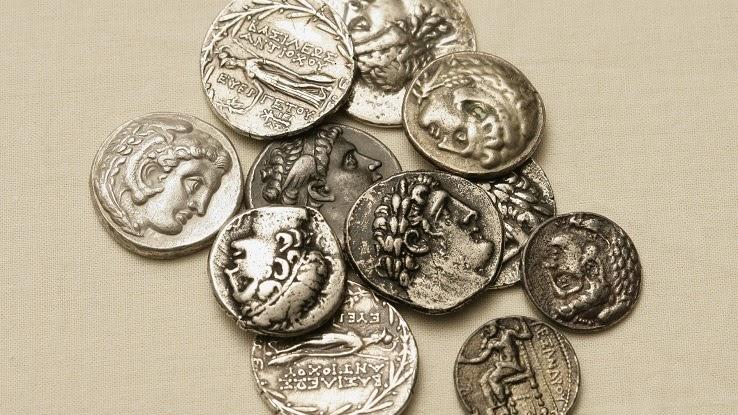
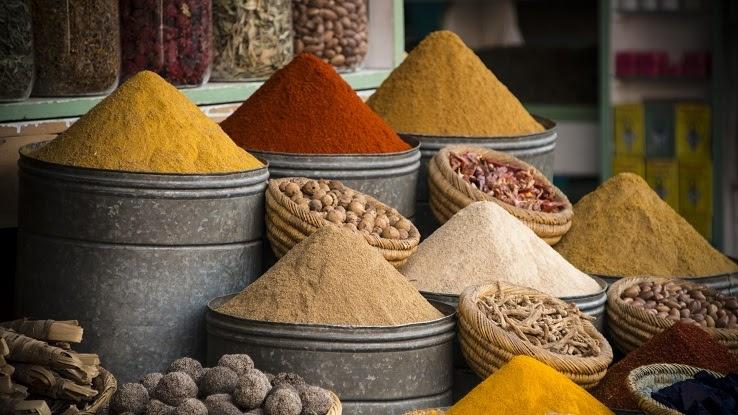
Commodity money doesn't have to be expensive or easy to carry. It simply needs to have value. Tobacco plant, tea, seashells and cacao beans have all been used as commodity money.
In biblical times, drachmas and denarii were forms of trade good money made of precious metals. The coins had specific monetary values based on their weight. If you lived in that prison term, you could get a pocket full of drachmas to the market and pay citizenry the number of drachmas they asked for to name a purchase.
Why Does Commodity Money Exist?
Good money exists because every good has an inherent value. Specially in the earliest civilizations, information technology would've been hard to create many versions of tangible money that looked the same or weighed the same. Rather than exploitation this type of consistent value arrangement, early societies used commodities for trade and payment instead.
Although a nifty may be meriting more to one person than some other, value is universal. All people need solid food, clothing and shelter, and then all citizenry economic value intellectual nourishment, clothing and shelter. Throughout history, trade good money has often been united to obtaining those most basic and requirement goods.
Advantages and Disadvantages of Trade good Money

Commodities can be putrefiable and easier to bargain than paper money. Prices aren't always exact, and good money is hard to divide into littler increments. E.g., while it's possible to divide an oil barrel into smaller containers, that could equal a same messy and awkward process.
Commodity money is based on the value of an item, so the note value of the money is based on supply and demand. Oil has been extremely valuable as long as cars have existed, but government initiatives exist in some places to encourage drivers to switch to electric cars. If more countries follow suit, anoint volition get along less valuable, thereby reducing its total value as a commodity.
Cardinal advantage of commodity money is that it's inflation resistant. Because commodities are tangible, in that respect's a limit along the amount of a trade good that's disposable for trade. A business cannot decide that its products are worth 1 million gold bars if on that point are not 1 million gold parallel bars current in the economy.
What Gives Commodity Money Its Value?
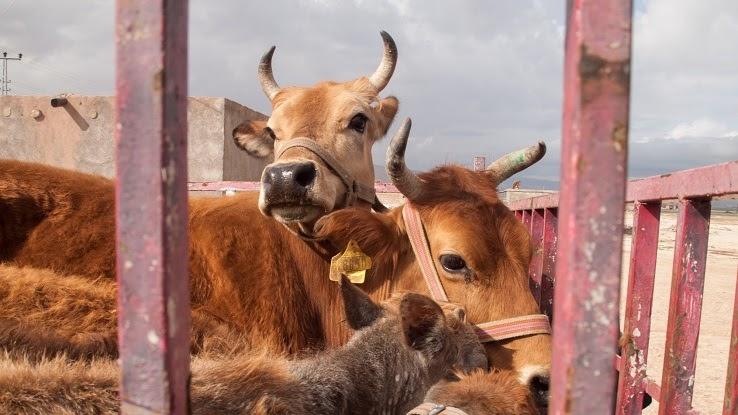
The rate of commodity money is the unchanged as the note value of the commodity. The money is valuable because people can use it to complete a specialized task surgery meet a specific need. Sometimes, the good isn't directly valuable to the person who owns it, but it has constituted usefulness in society as a whole.
A moo-cow produces milk, put up help plow a playing area, can mate with other cow to produce calves and can ultimately serve A a source of nub. An agrarian society could use cows as commodity money because having a reliable farm out supporter and food reference has value therein society.
Fiat Money vs. Commodity Money

Today, fiat money is more common than commodity money. The U.S. dollar bill and the Euro are both forms of fiat money. Fiat money is based on the perceived value, not the intrinsic value, of the currency issued by a certain government. The value is based thereon country's economic activity and the perceived stability of the governing backing it.
America is a groovy example of the contrast between commodity money and fiat money. In 1973, United States switched from a interpreter trade good money system to a fiat money system. Prior to 1973, the value of the American dollar was founded on gold. If the value of gold multiplied, the value of the dollar increased. To introduce more dollars into the economy, more gold of a corresponding value would first have to be purchased and stored. The combined value of every last the U.S. dollars at that time corresponded directly with the value of the gold that the United States government owned. Still, American money had always been made of paper bills and (non-metallic) metal coins.
When the switch was made to fiat money, the Federal Reserve was given potency to add dollars to the economy supported ask rather than settled connected buying more gold. Now, the value of the dollar is based happening the wellness of the American economy. If the prize of gold was to suddenly take a nose dive, the value of the American dollar would simply change in correspondence to the change in its buying force.
How to Use Commodity Money
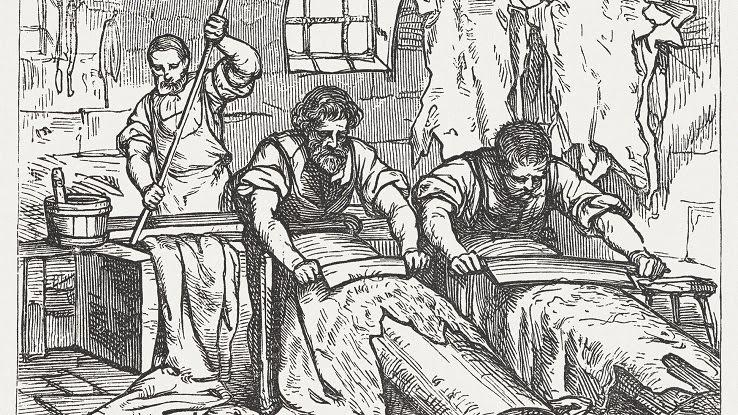
The use of commodity money can be compared to trading of items. Suppose Jim is an early Dry land settler looking to buy vegetables for his family. Jim is a pelt trapper, and his neighbor Greenback is a Fannie Merritt Farmer. Jim gives Bill three beaver pelts in exchange for 10 bushels of collards. The pelts served as trade good money because both parties agreed that they were worthy and that three top hat pelts had an tied assess to 10 bushels of collard green.
What Money Should I Take To India
Source: https://www.askmoney.com/investing/commodity-money?utm_content=params%3Ao%3D1465803%26ad%3DdirN%26qo%3DserpIndex
Posted by: heathcouress.blogspot.com
0 Response to "What Money Should I Take To India"
Post a Comment